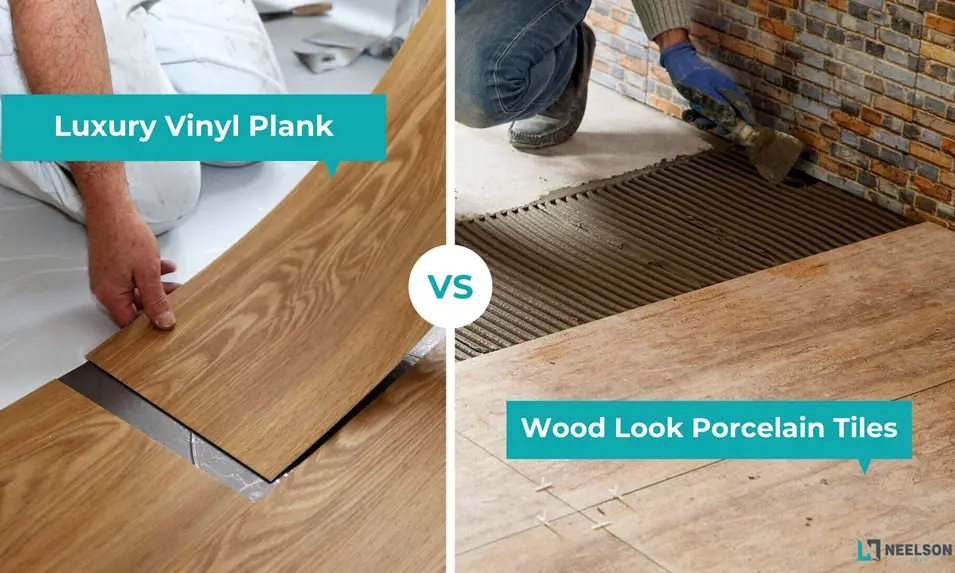
Choosing the right flooring for your bathroom can be a tough decision. In this article, we compare the pros and cons of tile and luxury vinyl plank (LVP) flooring, helping you decide which option is best for your bathroom. Vinyl tile is often designed to replicate the look of wood, stone, or even ceramic tile.
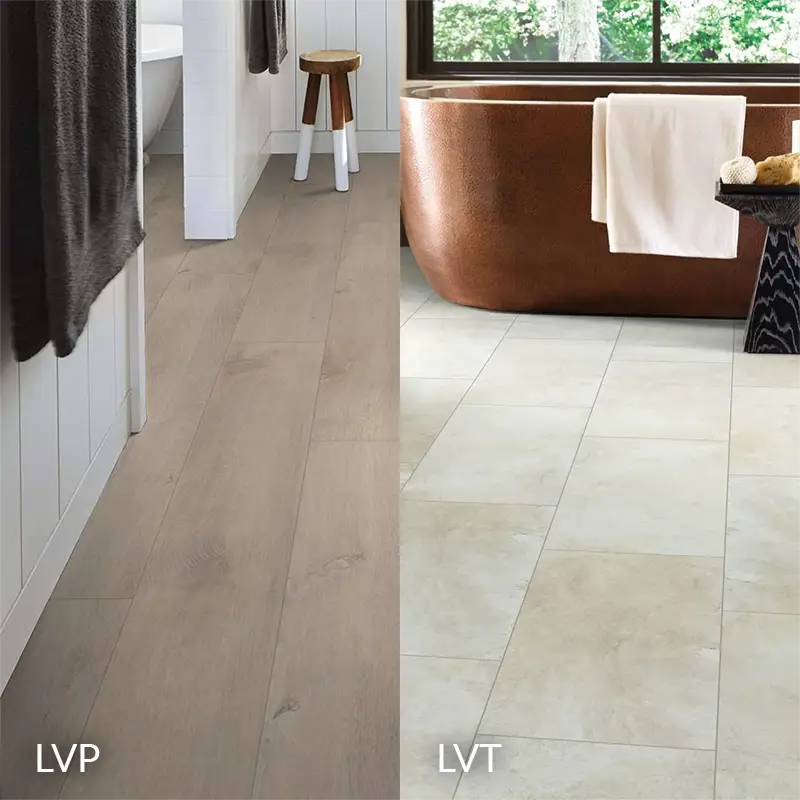
Vinyl and ceramic tile are entirely different substances, which means that they have different characteristics when it comes to installation, maintenance, and real estate resale value. Learning about the differences between ceramic tiles and vinyl flooring will help you make the right choice. Tile: Timeless Elegance and Durability Tile has been a staple in bathroom design for decades, and for good reason: Waterproof by Nature: Ceramic or porcelain tiles are impervious to water, making them perfect for wet spaces.
The Pros and Cons of LVP in Bathrooms
Endless Style Options: From sleek, modern looks to intricate patterns, tile offers unmatched design versatility. Explore our in-depth comparison guide on luxury vinyl flooring vs tile to help you decide on the best flooring option for your project, including style & needs. Porcelain tile vs.
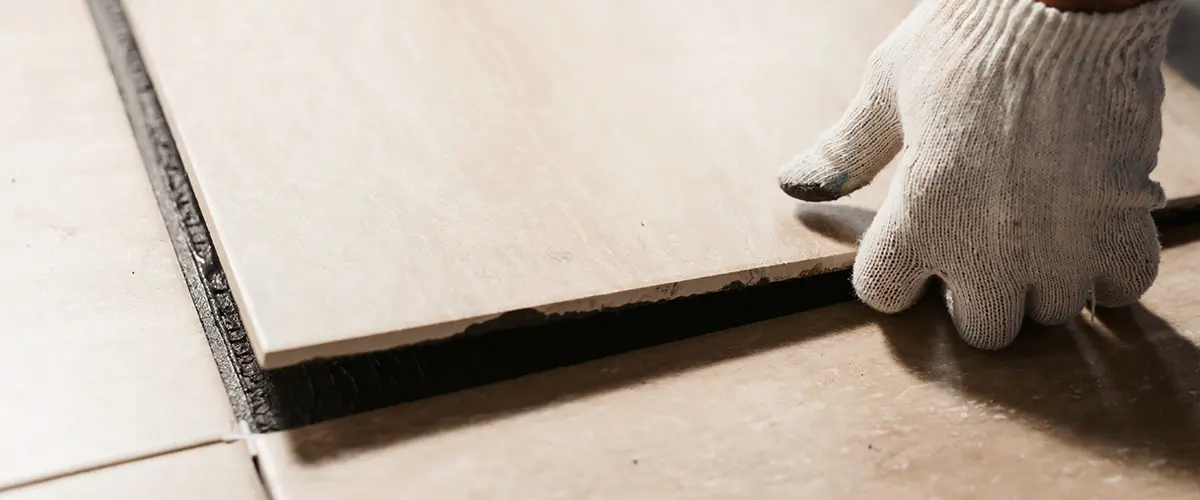
LVP We have been doing a lot of comparison shopping at flooring stores. At one store, we can get Coretec Plusgrand LVP (their premium product) for the same price with installation as we can get Porcelain tile with installation at another store. The Coretec has a limited lifetime warranty.

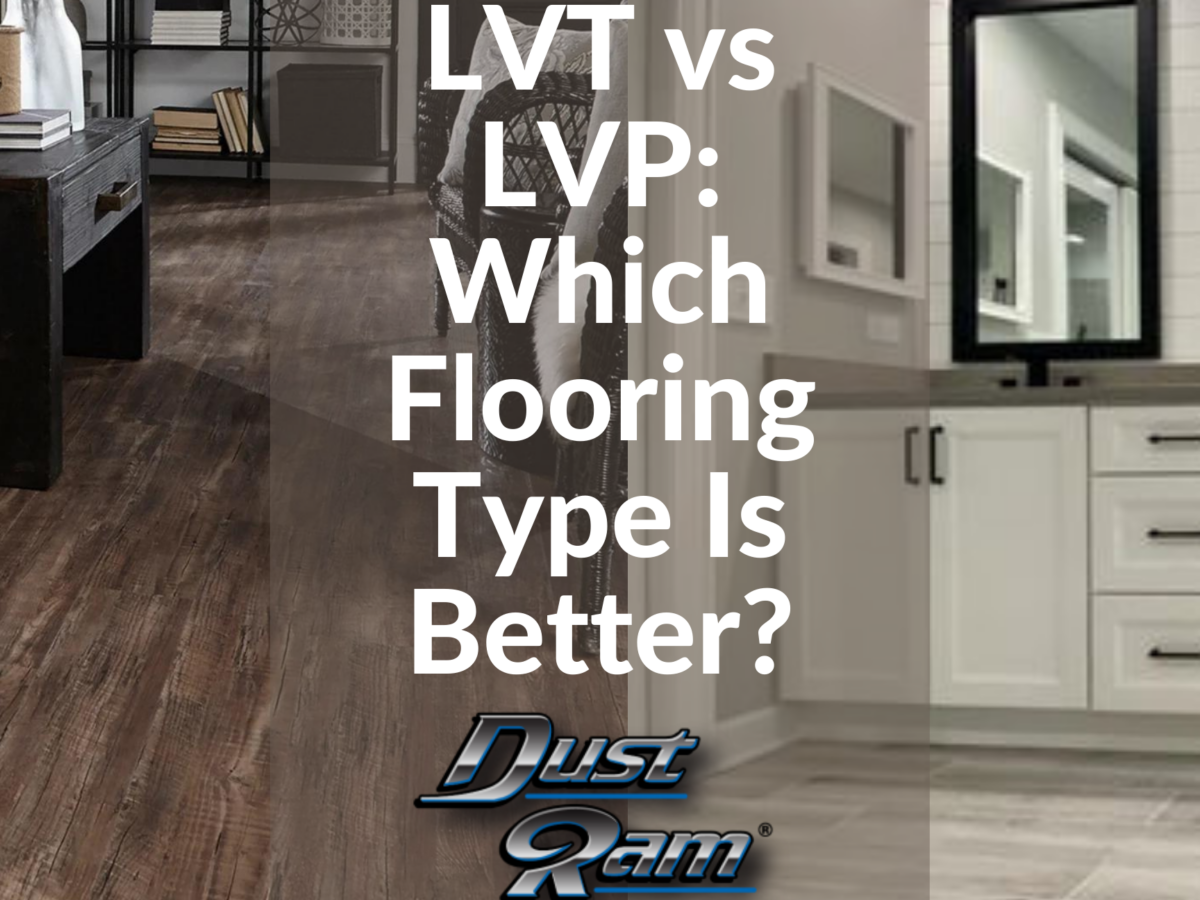
LVT vs LVP: Which Flooring Type Is Better? - DustRam®
Cement tiles, with their bold patterns and colors, have gained popularity for creating statement floors in entryways and bathrooms. Modern manufacturing techniques have expanded the design possibilities for all tile types, with options that convincingly mimic wood, fabric, and other materials. Porcelain and ceramic tiles resist wear and moisture exceptionally well, while vinyl can wear down faster, especially in high-traffic areas, though proper care can extend its longevity.
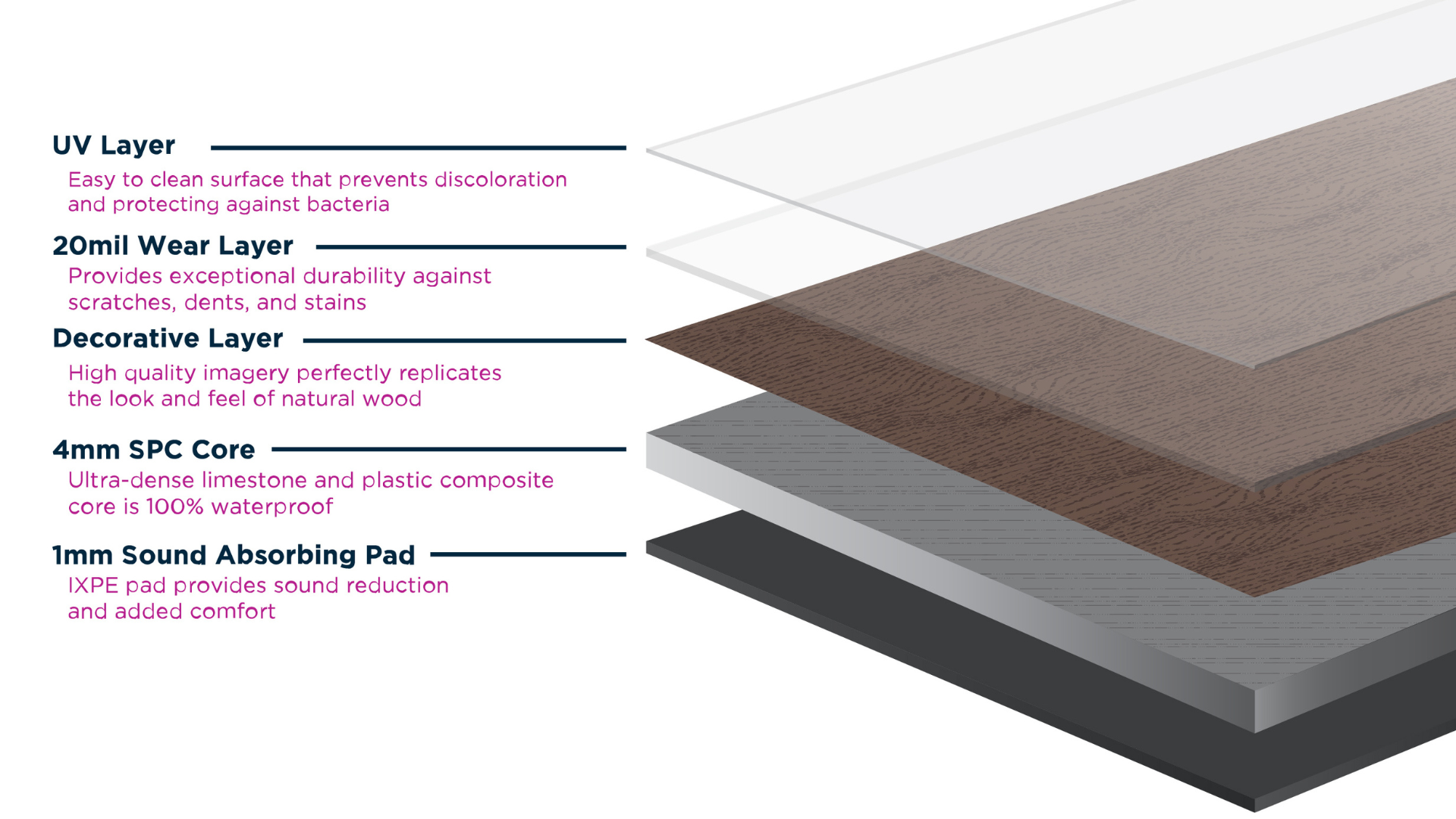
What are the disadvantages of LVT in bathrooms? LVT is softer than tile, making it more prone to dents and scratches. Floating vinyl floors, like the incredibly popular "click installation" Luxury Vinyl Planks or Luxury Vinyl Tiles (LVP & LVT) don't use plywood underlayment as a support structure. These products are bonded to a rigid core at the factory.

Learn the Differences Between Luxury Vinyl Plank and Luxury Vinyl Tile ...
This core can be made of a wood polymer composite, stone polymer composite, or a hybrid material. When choosing flooring for your home, two of the most popular options are tile and luxury vinyl plank (LVP). Both offer durability and style, but they differ significantly in terms of material, installation, cost, and performance.

Let's dive into the key differences to help you decide which flooring type is best for your home. 1. Material Composition Tile: Tiles can be made from a variety of.
Bathroom floor tiles and vinyl are both popular options for remodeling. But which one is right for your space in 2025? In this guide, we'll compare these two flooring types based on water resistance, style, durability, and budget.